Which of the following describes a difference between the Tlatilco female figurine and the Running horned woman?
Question 2
Both the Jade cong and the Ambum stone were shaped by
Question 3
Which of the following describes a similarity between the Apollo 11 stones and the paintings in the Great Hall of the Bulls?
Question 4
The maker of the Camelid sacrum in the shape of a canine created the work by
Question 5
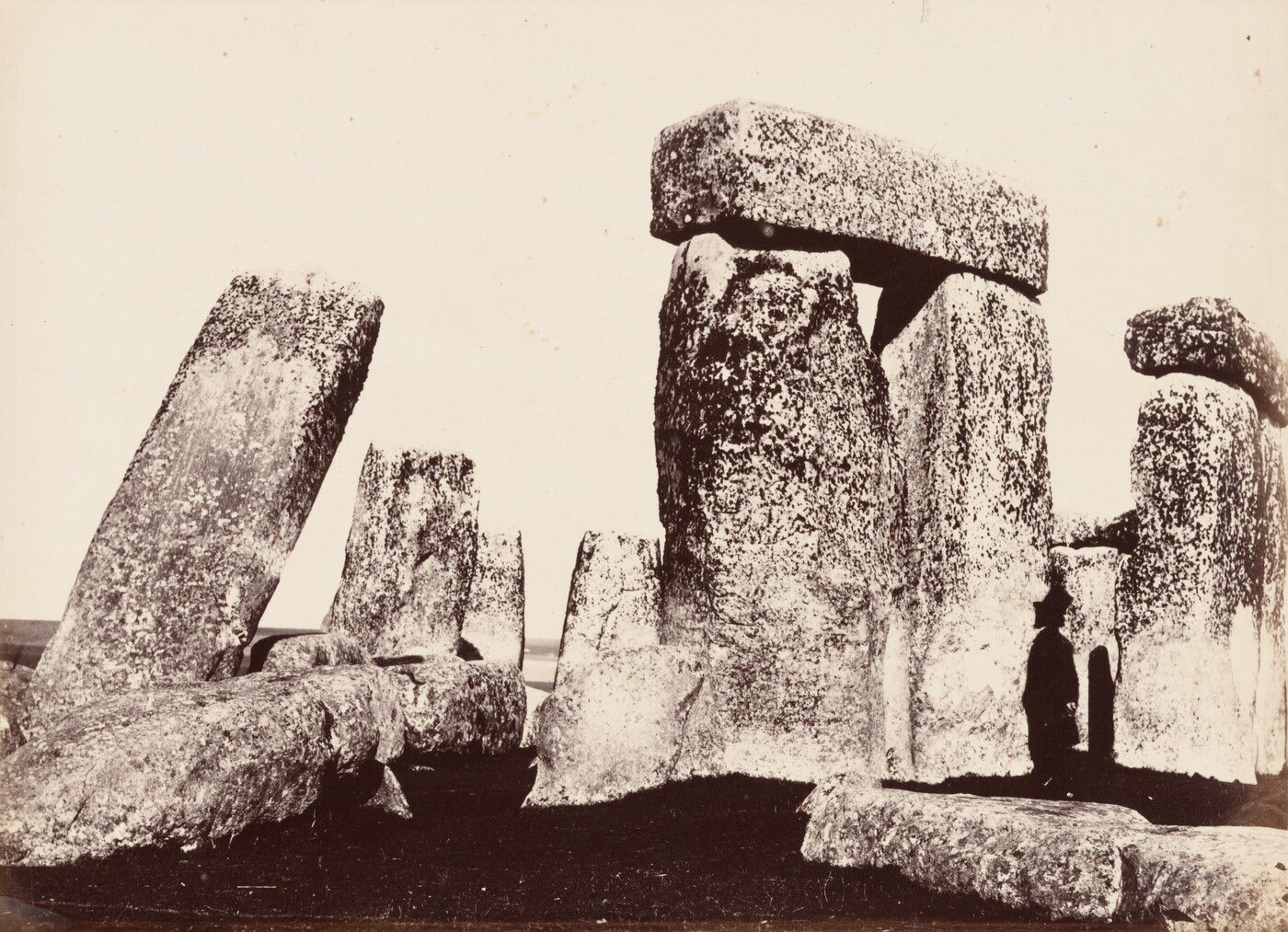
The builders of the monument shown fixed the lintels to the uprights with mortise-and-tenon joints. This choice shows that they
Question 6
Why do scholars still disagree about the original function of the Ambum stone?
Question 7
The decoration on the Lapita terra cotta fragment from the Reef Islands was made mainly by
Question 8
Which of the following best describes the form of the Anthropomorphic stele from the Arabian Peninsula?
Question 9
Some interpreters link the square jade cong to the earth and the round bi disk to heaven. Why do many scholars treat this reading with caution?
Question 10
Most Tlatilco figurines, small hand-modeled clay women with broad hips and narrow waists, were found in which setting?
Question 11
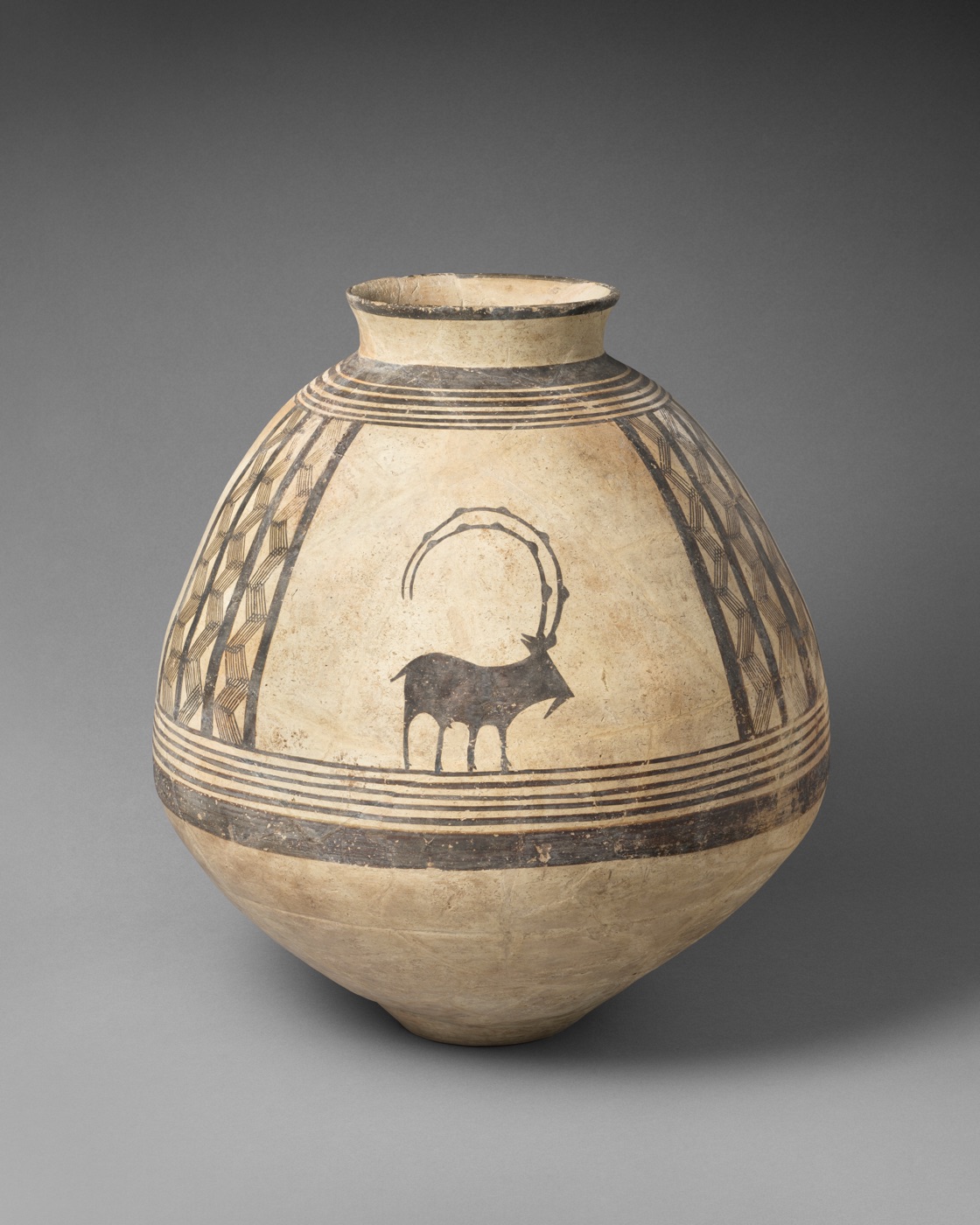
The jar shown was painted in central Iran in the fourth millennium BCE. Which of the following describes a similarity between it and the Beaker with ibex motifs from Susa?
Question 12
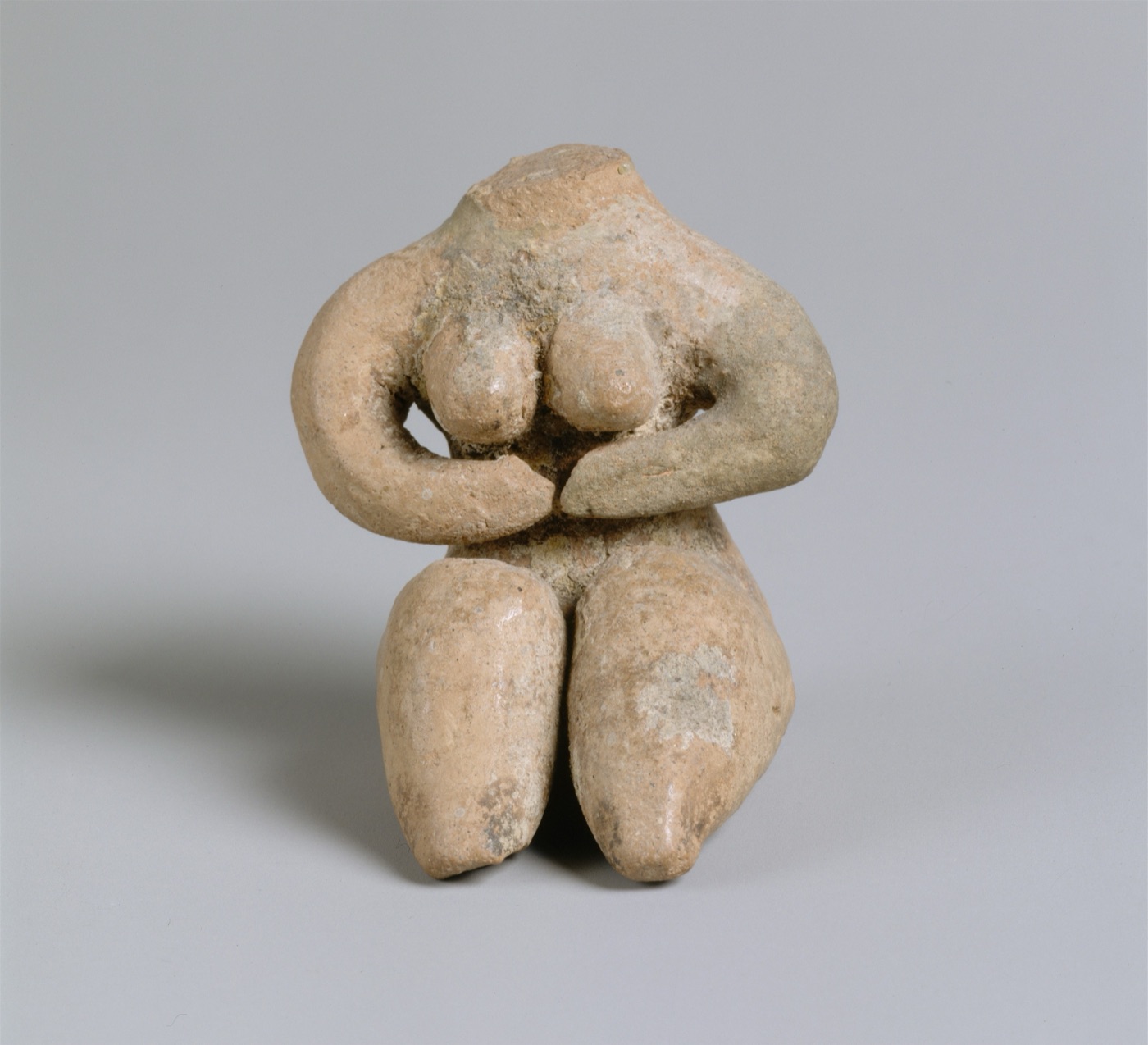
The small clay figure shown was most likely made by
Question 13
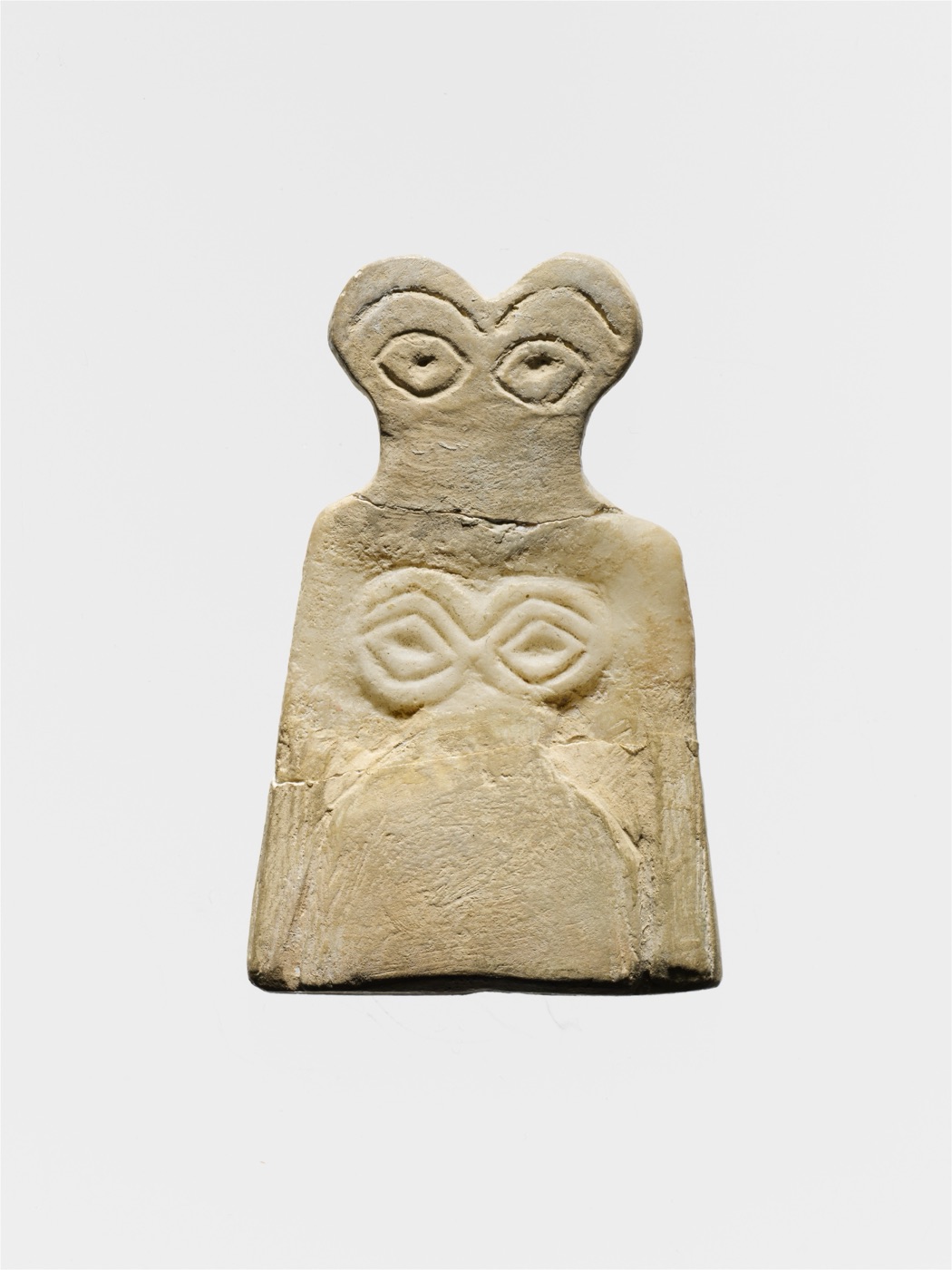
Which of the following best describes the visual elements of the work shown?
The passage is about the paintings in the Great Hall of the Bulls at Lascaux.
For a century scholars have argued over why people painted animals deep inside caves such as Lascaux. Early in the twentieth century an influential view held that the images were hunting magic: to paint an animal was to secure success in killing it. Critics later observed that the animals most often painted were not always the animals people ate most, as food remains from the period show. A second reading looks to shamanism. Drawing on studies of recent hunter-gatherer societies in which ritual specialists enter trance, it treats the cave wall as a boundary between worlds and the painted animals as spirit beings. Its critics answer that analogies with modern peoples cannot be tested against Paleolithic evidence. What all sides accept is that the paintings were placed in deep, hard-to-reach spaces, far from where people lived, which makes some ritual purpose likely.
Question 14
According to the passage, critics of the hunting magic interpretation pointed to which evidence?
Question 15
The passage indicates that the shamanic interpretation of the cave paintings depends mainly on
Question 16
Which feature of the Great Hall of the Bulls best supports the point on which, according to the passage, all sides agree?